
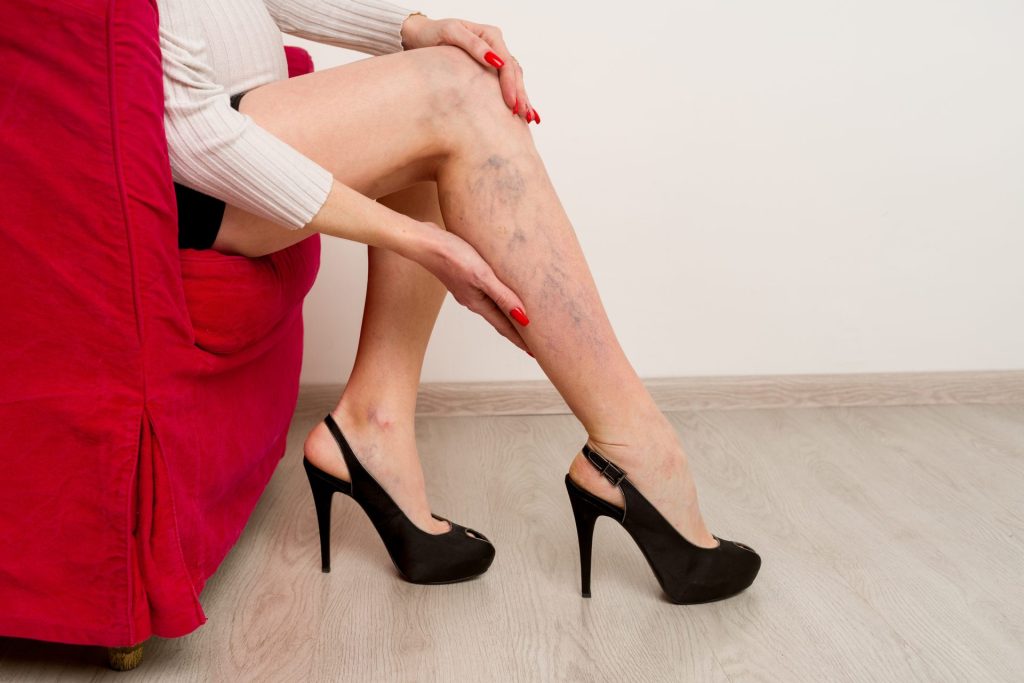
If you’ve noticed unsightly veins appearing on your legs, you’re likely dealing with either spider veins or varicose veins – two distinct conditions that affect millions of people worldwide. Spider veins are small, thin blood vessels visible beneath the skin’s surface, typically appearing red, blue, or purple in web-like patterns, while varicose veins are larger, swollen, twisted veins that bulge above the skin and often cause discomfort. Though both conditions stem from similar underlying vein problems, they differ significantly in appearance, symptoms, and severity, with spider veins being primarily a cosmetic concern and varicose veins potentially indicating more serious circulatory issues that may require medical intervention.
Understanding these differences is crucial for determining whether you need treatment and what type of care might be most appropriate for your situation.
Understanding Blood Vessels and What Goes Wrong
To grasp why these vein problems occur, it helps to understand how your circulatory system works. Your body contains an extensive network of blood vessels, including arteries that carry oxygen-rich blood from your heart to your tissues and veins that return oxygen-depleted blood back to your heart. Veins in your legs face a particular challenge – they must work against gravity to push blood upward.
Inside your veins are tiny one-way valves that open to allow blood to flow toward the heart and close to prevent backflow. When these valves weaken or become damaged, blood can pool in the veins, causing them to enlarge and become visible. This valve dysfunction is the root cause of both spider veins and varicose veins, though the severity and location of the problem determine which condition develops.
Spider Veins: The Cosmetic Concern
Spider veins, medically known as telangiectasias, are the smaller and less serious of the two conditions. These tiny damaged veins typically measure less than 1 millimeter in diameter and appear close to the skin’s surface. They get their name from their appearance – branching patterns that resemble spider webs or tree branches.
Most commonly found on the legs and face, spider veins rarely cause physical symptoms beyond their appearance. They may occasionally cause mild itching or burning sensations, but most people seek treatment purely for cosmetic reasons. Spider veins can appear at any age, though they become more common with aging.
Varicose Veins: When Veins Become a Health Issue
Varicose veins represent a more significant medical condition. These enlarged veins typically measure 3 millimeters or larger in diameter and appear rope-like or twisted beneath the skin. Unlike spider veins, varicose veins often protrude above the skin’s surface, creating visible bulges along the legs.
Beyond their appearance, varicose veins frequently cause uncomfortable symptoms:
- Aching, heavy, or tired feelings in the legs
- Burning, throbbing, or cramping sensations
- Swelling in the lower legs and ankles
- Itching around the affected veins
- Worsening discomfort after prolonged standing or sitting
- Restless legs, especially at night
In severe cases, varicose veins can lead to complications such as skin discoloration, ulcers, or blood clots. These potential health risks make varicose veins a condition that often requires medical evaluation and treatment.
Common Risk Factors That Increase Your Chances
Several risk factors make some people more susceptible to developing these vein conditions than others. Understanding these factors can help you take preventive measures and recognize when you might be at higher risk.
Age is one of the most significant contributors. As we get older, the valves in our veins naturally weaken, and the vein walls lose elasticity. Gender also plays a role, with women experiencing these conditions more frequently than men, partly due to hormonal changes during pregnancy, menstruation, and menopause that can relax vein walls.
Additional risk factors include:
- Family history and genetics
- Obesity, which increases pressure on leg veins
- Prolonged standing or sitting, particularly in occupations that require long periods in one position
- Pregnancy, which increases blood volume and places additional pressure on veins
- Previous leg injuries or blood clots
- Lack of physical activity
How to Prevent Varicose Veins and Spider Veins
While you can’t control factors like age and genetics, you can take meaningful steps to reduce your risk of developing vein problems or prevent existing conditions from worsening.
- Regular exercise is one of the most effective preventive measures. Physical activity strengthens the muscles in your legs, which help pump blood back to your heart and reduce pressure on your veins. Walking, swimming, cycling, and leg exercises are particularly beneficial for leg health.
- Maintaining a healthy weight reduces the burden on your circulatory system. Extra pounds mean extra pressure on your leg veins, making valve dysfunction more likely. If you work at a desk or stand for long periods, make a point to move regularly – take short walks every hour, flex your ankles, or shift your weight from one leg to another.
- Elevating your legs when resting helps blood flow back to your heart more easily. When sitting, avoid crossing your legs, which can restrict blood flow. If you’re pregnant, try sleeping on your left side to minimize pressure on the major vein that carries blood from your lower body back to your heart.
The Role of Compression Stockings in Managing Vein Health
Compression stockings are often recommended as a first-line approach for managing both spider veins and varicose veins. These specially designed garments apply graduated pressure to your legs, with the strongest compression at the ankle and gradually decreasing pressure as they move up the leg.
This graduated compression helps push blood upward toward the heart, preventing pooling and reducing the strain on vein valves. While compression stockings won’t eliminate existing spider veins or varicose veins, they can effectively relieve symptoms such as aching, swelling, and heaviness in the legs. Many people find that wearing compression stockings during the day significantly improves their comfort and energy levels.
For best results, compression stockings should be put on first thing in the morning before swelling develops and worn throughout the day. They come in various compression levels, lengths, and styles, so consulting with a healthcare provider can help you select the right option for your needs.
Exploring Treatment Options for Both Conditions
When conservative measures like lifestyle changes and compression stockings aren’t enough, several treatment options can address spider veins and varicose veins effectively.
For spider veins, sclerotherapy is the most common treatment. This procedure involves injecting a solution directly into the affected veins, causing them to collapse and eventually fade from view. Laser therapy offers another option, using focused light energy to close off spider veins. Both treatments are minimally invasive and typically performed in a doctor’s office with little to no downtime.
Varicose vein treatments have advanced significantly in recent years. Modern options include:
- Endovenous laser treatment (EVLT): A laser fiber is inserted into the vein, delivering energy that causes the vein to close and seal shut.
- Radiofrequency ablation: Similar to EVLT but uses radiofrequency energy instead of laser light to heat and close the vein.
- Ambulatory phlebectomy: Small incisions allow the doctor to remove varicose veins through tiny punctures.
- Vein stripping and ligation: A more traditional surgical approach reserved for severe cases, involving the removal of problematic veins through small incisions.
Most modern treatments are performed on an outpatient basis with local anesthesia, allowing patients to return to normal activities within days.
When You Should Seek Treatment to Relieve Symptoms
Deciding when to pursue treatment depends on several factors. For spider veins, treatment is usually elective since these veins rarely cause health problems. If the appearance bothers you or you experience mild discomfort, consulting a vein specialist can help you explore your options.
With varicose veins, treatment becomes more important when symptoms interfere with your quality of life or when complications develop. Seek medical evaluation if you experience persistent pain, swelling, skin changes near the affected veins, or bleeding from a varicose vein. Don’t ignore symptoms that worsen over time – early intervention can prevent more serious complications and often yields better outcomes than waiting until the condition becomes severe.
Your healthcare provider can assess the severity of your condition using ultrasound imaging to examine blood flow and valve function in your veins. This evaluation helps determine whether treatment is medically necessary or primarily cosmetic, which may affect insurance coverage.
Taking Control of Your Vein and Leg Health
Both spider veins and varicose veins are manageable conditions with various treatment options available. While spider veins are primarily a cosmetic concern, varicose veins can impact your health and quality of life if left untreated. By understanding the differences between these conditions, recognizing your risk factors, and taking preventive measures, you can maintain healthier legs and make informed decisions about treatment when necessary.
Remember that vein health is an important aspect of your overall well-being. If you’re experiencing symptoms or concerns about your leg veins, don’t hesitate to consult a healthcare professional who can provide personalized guidance and recommend the most appropriate treatment for your situation.
Final Thoughts on Varicose and Spider Veins
Understanding spider veins vs varicose veins is essential for protecting your long-term leg health and preventing serious complications. While small blood vessels like spider veins and superficial veins rarely pose health risks, larger veins affected by chronic venous insufficiency can lead to severe varicose veins that require medical attention. When left untreated, these abnormal veins can progress to serious conditions, including venous leg ulcers and deep vein thrombosis, making it crucial to address symptoms early. Fortunately, most varicose veins can be successfully treated with modern minimally invasive procedures, and many people who develop them find significant relief once they are treated appropriately. The key to healthy veins lies in supporting your circulatory system – when calf muscles and leg muscles squeeze effectively during movement, they help prevent the valve dysfunction that can weaken vein valves over time.
Whether varicose veins affect your daily comfort or you’re simply concerned about preventing future problems, taking action now can make a significant difference. While some individuals may require multiple treatments to address extensive vein damage, the investment in properly managing these conditions protects you from more serious complications down the road. By combining preventive lifestyle measures with professional medical care when needed, you can effectively treat varicose veins, maintain optimal circulation, and keep your legs healthy and comfortable for years to come.
Don’t let vein problems diminish your quality of life – consult with our vein specialist to explore your options and take the first step toward healthier, more comfortable legs. Our team is highly experienced in treating both larger varicose veins and smaller varicose veins close to the surface.