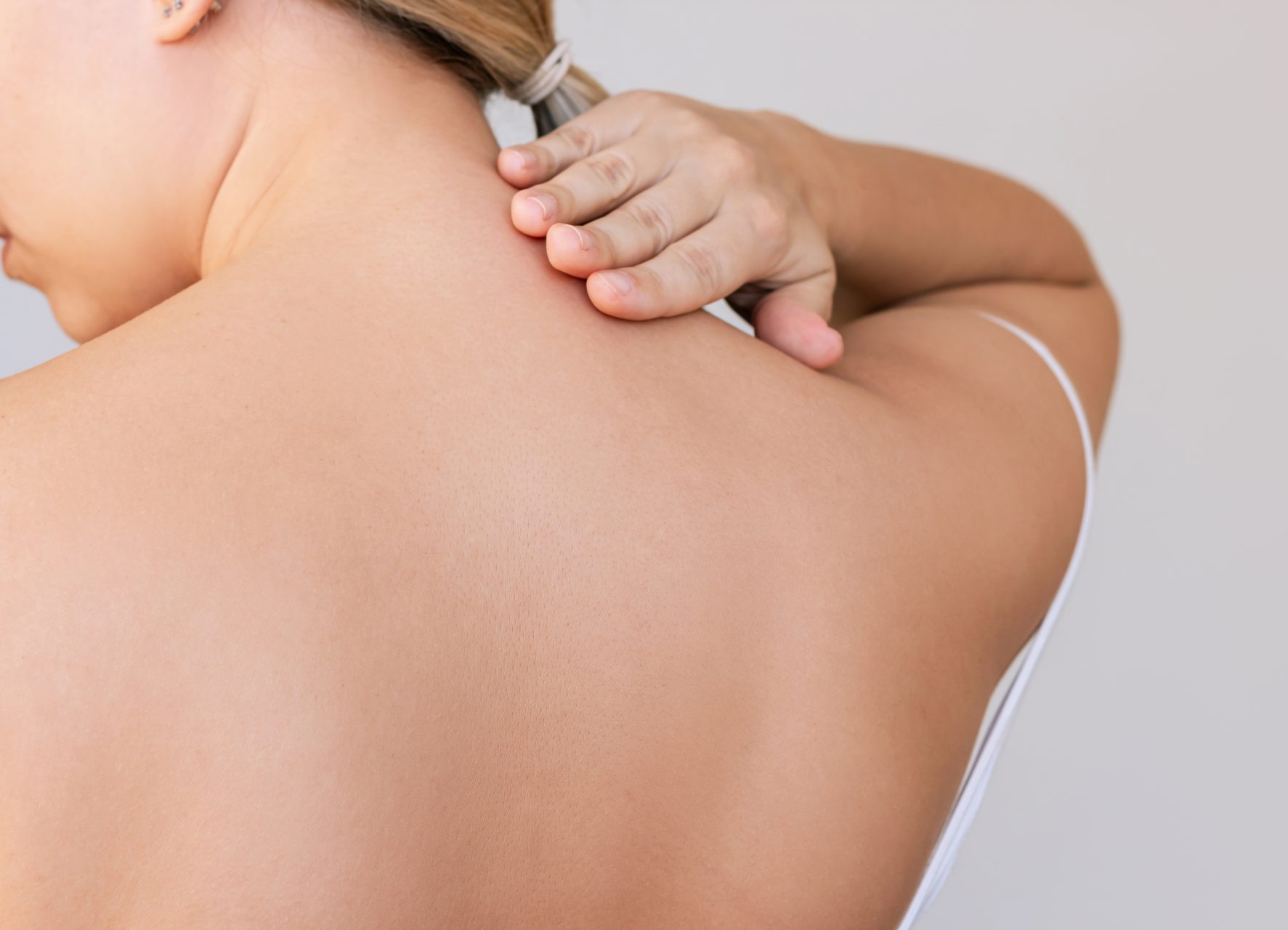
A buffalo hump is caused by an abnormal accumulation of fat at the upper back, right between the shoulder blades and the base of the neck. Several factors can trigger this buildup, including hormonal imbalances, certain medications (especially long-term corticosteroid use), obesity, and underlying medical conditions like Cushing’s syndrome. Understanding what causes a buffalo hump is the first step toward finding the right treatment – whether that involves addressing the root medical issue, making lifestyle changes, or exploring targeted fat removal.
If you’ve noticed a growing mound of fatty tissue at the base of your neck, you’re not alone. This condition affects both men and women and can develop gradually over months or years. Below, we’ll break down the specific causes, related medical conditions, and when it makes sense to talk to a professional.
A buffalo hump is a visible lump of adipose (fat) tissue that forms at the upper back near the base of the neck. It sits roughly between the shoulder blades and can range from a small, barely noticeable bump to a large, prominent mound that changes your posture and profile. It’s important to clarify that this is a soft tissue accumulation, not a curvature of the spine itself, although it can sometimes be associated with spinal changes.
Beyond the cosmetic concerns, a buffalo hump can cause real physical discomfort. Many people report neck stiffness, limited range of motion, headaches, and difficulty finding comfortable sleeping positions. Clothing may fit differently, and the visible hump can affect confidence in social and professional settings.
While poor posture can make it appear more pronounced, in most cases, there is a specific physiological or medical reason behind the fat accumulation. Identifying the root cause is essential.
The fat buildup behind the neck doesn’t happen randomly. It’s typically driven by one or more factors that influence how and where your body stores fat. These factors fall into a few broad categories:
Hormonal imbalances that redirect fat storage to the upper back
Medications that alter your metabolism and fat distribution
Medical conditions that affect cortisol levels or other hormones
Lifestyle factors like obesity and prolonged poor posture
Genetic predisposition that makes certain people more susceptible
In many cases, multiple factors overlap. Someone taking a long-term medication may also have a hormonal imbalance, and both issues compound the problem. Let’s look at each cause in detail.
Excess body weight is one of the most straightforward causes. When the body carries significantly more fat than it needs, that fat doesn’t always distribute evenly. Some people are genetically prone to storing excess fat in the dorsocervical area, making it more prominent even with moderate weight gain. Significant or rapid weight gain can accelerate this process.
Chronic forward-leaning of the head – often called “tech neck” due to prolonged use of phones and computers – and excessive rounding of the upper spine (kyphosis) can contribute to the appearance of a hump over time. While poor posture itself doesn’t create fat, the body may deposit extra fatty tissue around the cervical spine as a cushioning or structural response.
As we age, hormonal shifts – especially declining levels of estrogen and testosterone – change how the body distributes fat. The upper back and midsection tend to collect more fat during and after middle age. This is one reason buffalo humps become more common in people over 40.
Cushing’s syndrome is one of the most well-known medical causes of a buffalo hump. This condition occurs when the body is exposed to high levels of the hormone cortisol for an extended period. Cortisol is often called the “stress hormone,” and when it stays elevated, it promotes fat storage in specific areas – including the face (creating a “moon face”), abdomen, and upper back.
Cushing’s syndrome can be caused by a tumor on the pituitary or adrenal glands, or it can result from taking synthetic corticosteroids over a long period. Other symptoms include:
Weight gain around the midsection
Thinning skin that bruises easily
Purple stretch marks
Muscle weakness
High blood pressure and mood changes
Lipodystrophy refers to abnormal fat distribution in the body. It can be inherited (genetic lipodystrophy) or acquired. People living with HIV who take certain older antiretroviral medications are particularly susceptible to a form of lipodystrophy that causes fat to accumulate at the base of the neck while fat is lost from the face, arms, and legs. This redistribution creates a pronounced buffalo hump even in people who are otherwise thin.
Severe osteoporosis can weaken bones and cause compression fractures in the thoracic spine, leading to a rounded upper back known as a dowager’s hump. While this is technically a skeletal issue rather than a fat deposit, the postural change often accompanies fatty tissue buildup in the same area, making the hump more prominent. It is crucial to distinguish between a spinal curvature and a simple fat pad.
Prescription corticosteroids – such as prednisone, dexamethasone, and hydrocortisone – are commonly used to treat conditions like asthma, arthritis, autoimmune disorders, and inflammatory diseases. When taken at high doses or over extended periods, these medications mimic the effects of excess cortisol in the body, resulting in medication-induced Cushing’s syndrome. Fat migrates to the upper back, face, and abdomen.
Beyond cortisol, the body’s intricate hormonal network regulates fat storage, and disruptions can lead to unexpected changes in body shape. Imbalances in estrogen, testosterone, growth hormone, or thyroid hormone levels can affect fat distribution patterns. For example:
Low testosterone in men can lead to increased fat storage in the upper body
Estrogen dominance during perimenopause or menopause can shift fat toward the midsection and upper back
Hypothyroidism slows metabolism and promotes generalized weight gain that may concentrate in the dorsocervical area
Bailey Cosmetic Surgery & Vein Centre offers hormone replacement therapy (BHRT) to help patients address hormonal imbalances that may contribute to changes in body composition and fat distribution.
A small amount of fatty tissue at the upper back may not require immediate attention, but you should consider scheduling an evaluation if you notice:
The hump appears suddenly or grows in size over weeks or months
You’re experiencing neck pain, stiffness, reduced range of motion, or headaches
You have other symptoms like unexplained weight gain, fatigue, high blood pressure, easy bruising, mood changes, or skin changes
You’re taking long-term corticosteroid medications
The hump is affecting your posture, comfort, or confidence
A medical evaluation can help determine whether an underlying condition, such as Cushing’s syndrome or a hormonal imbalance, is driving the fat accumulation. A proper diagnosis is key – treating the root cause can slow or stop further growth and should be addressed before considering any cosmetic treatment.
Understanding what causes a buffalo hump puts you in a stronger position to take action. Whether the culprit is long-term medication use, a hormonal imbalance, Cushing’s syndrome, obesity, poor posture, genetics, or a combination of factors, there are clear paths forward. Start by identifying and treating any underlying medical condition with your healthcare provider.

About the Author
Colin E. Bailey, MD, FACS
June 9, 2026