
An arm lift recovery is a gradual, multi-stage process that typically involves 1-2 weeks of initial downtime before you resume light activities, with a full return to strenuous exercise and heavy lifting taking about 6-8 weeks. The experience involves managing swelling and discomfort, wearing compression garments, and carefully following post-operative instructions so your incisions heal properly and your results are optimized.
Below, we will walk you through what to expect at each stage of a brachioplasty.
An arm lift, or brachioplasty, removes excess skin and fat from the upper arm and tightens the tissue for a smoother, firmer, and more youthful contour. It’s especially beneficial for those who have experienced significant weight loss, such as after bariatric surgery, or who have loose skin due to aging and genetics. Recovery focuses on protecting the healing incisions and reducing swelling while your body repairs itself.
Right after your procedure with Dr. Colin E. Bailey, your arms will be wrapped in bandages, and you’ll likely wear a compression garment to control swelling and support the new arm shape. It’s normal to feel tightness, mild soreness, and some numbness along the treated area. Your instructions will be tailored to your procedure, which may have included liposuction in addition to skin removal.
You’ll need someone to drive you home and, ideally, help you around the house for the first day or two, since raising and using your arms will be limited. Recovery is a personal journey – your experience depends on the extent of your surgery, your body’s healing capacity, and how closely you follow your aftercare plan.
You’ll notice a significant improvement in your arm contour immediately, but full recovery may span 6-12 months. Most patients feel comfortable returning to desk work and light routines within 1-2 weeks. Strenuous activities involving heavy lifting or vigorous arm movements are restricted for at least 6-8 weeks, and the maturation and fading of scars can take up to a year or more.
Knowing what to expect at each stage makes recovery feel more manageable. Here is a general timeline for healing after an arm lift.
Arms are bandaged and possibly fitted with small drains to remove excess fluid.
Compression garments help reduce swelling and support the new contours.
Moderate discomfort, swelling, and bruising are normal and managed with prescribed pain medication.
Avoid raising your arms above shoulder level; rest with arms elevated on pillows, even while sleeping.
Have a friend or family member stay with you to assist with daily tasks.
Discomfort steadily eases and swelling and bruising begin to subside. You’ll have a follow-up appointment at one of our Missouri offices – Springfield, Osage Beach, or Sedalia – so Dr. Bailey can monitor your healing and, if drains were placed, remove them.
Begin light activity, such as short, gentle walks around the house.
Avoid lifting anything heavier than a few pounds or straining your incisions.
Showering may be permitted after a few days, provided specific incision and dressing care instructions are followed.
By two to three weeks, swelling and bruising continue to fade, and you’ll feel more like yourself. Many patients are cleared to return to a desk job or light daily tasks. You may begin more extensive, non-strenuous arm movements, but heavy lifting and intense exercise remain off-limits. Keep wearing your compression garments as directed to manage residual swelling.
At one month, you’ll see a significant improvement in the shape and feel of your arms as much of the swelling resolves. Your incisions will have closed and begun to mature, though scars will still be pink or raised. Dr. Bailey may gradually clear you for more strenuous activity and light exercise based on how you’re healing – listen to your body and avoid anything that causes pain.
After 6-8 weeks, most activity restrictions are lifted, and you can resume your normal routine, including weightlifting and arm-focused workouts. Scars slowly soften and fade from red or pink to a lighter, less noticeable color over the next 6–12 months. Protecting your scars from sun exposure is critical to prevent darkening, and patience is key as these final changes take place.
Knowing the common experiences of recovery makes the process feel far more manageable.
Most people describe the sensation as soreness and tightness in the upper arms rather than sharp pain, and it’s most pronounced in the first few days. It’s well controlled with prescribed medication. As the days pass, discomfort subsides significantly within the first week and can be managed with over-the-counter pain relievers thereafter.
Swelling and bruising are normal, expected side effects. Elevating your arms and wearing your compression garment are the most effective ways to control them and help your skin conform to its new shape. Bruising usually fades within 2-3 weeks, while residual swelling can persist for several months as your lymphatic system recovers.
An arm lift leaves a scar, since the procedure removes and tightens excess skin. Dr. Bailey, who has been recognized for Excellence in Body Contouring by SRC, strategically places the incision along the inner arm, where it’s least conspicuous. Initially, the scar appears red and raised, but with proper care – keeping it clean, moisturized, and protected from the sun – it flattens and lightens significantly over several months to a year. Most patients find the dramatic improvement well worth the resulting scar.
Desk jobs or light duties: often return within one to two weeks.
Physically demanding jobs involving lifting, reaching, or repetitive arm movements: typically six to eight weeks off.
Listen to your body and follow Dr. Bailey’s personalized guidance rather than pushing too soon.
Your role in recovery is just as important as the surgery itself. Following these tips supports your healing and helps you achieve the best possible results.
Wear Compression Garments: Wear them exactly as directed to control swelling and support your healing tissues.
Elevate Your Arms: Keep arms propped on pillows when resting, especially in the early days.
Incision Care: Keep incisions clean and dry, and follow all instructions for changing dressings and applying prescribed ointments.
Medication: Take all prescribed medications, including pain relievers and antibiotics, exactly as directed to stay ahead of discomfort.
Activity Restrictions: Avoid lifting, reaching overhead, and strenuous activity until cleared.
Follow-Up Appointments: Attend all appointments so Dr. Bailey can monitor your progress and address any concerns.
Stay Hydrated and Eat Well: A balanced diet rich in protein, vitamins, and minerals gives your body what it needs to heal.
Avoid Smoking: Nicotine constricts blood vessels, impairing circulation and delaying healing – avoid it before and after surgery.
Protect Your Incisions from Sun: Shielding scars from direct sun helps them fade evenly.
Many patients find that pairing surgery with a healthy lifestyle – supported by services like weight loss – helps them maintain their results long term.
Recovery is typically straightforward, but contact our office immediately if you experience:
Signs of infection, such as increasing redness, warmth, pus, or a fever.
Excessive pain not controlled by your medication.
Sudden, severe swelling in one or both arms.
Any concerns about your incisions or overall healing.
So, what is an arm lift recovery like? In short, it’s a step-by-step process that begins with rest and swelling management in the first few days, progresses to a return to light activity within one to two weeks, and continues with steady improvement over the following months as scars soften and your final contour takes shape. By wearing your compression garment, following your aftercare instructions, and staying in touch with your surgeon, you set yourself up for a comfortable recovery and lasting results.
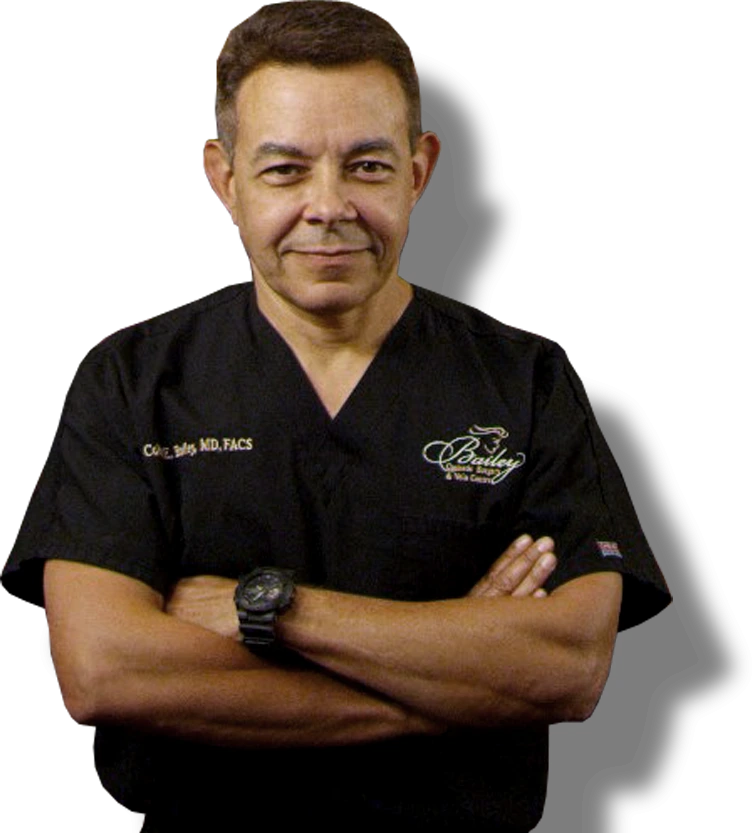
About the Author
Colin E. Bailey, MD, FACS
July 3, 2026