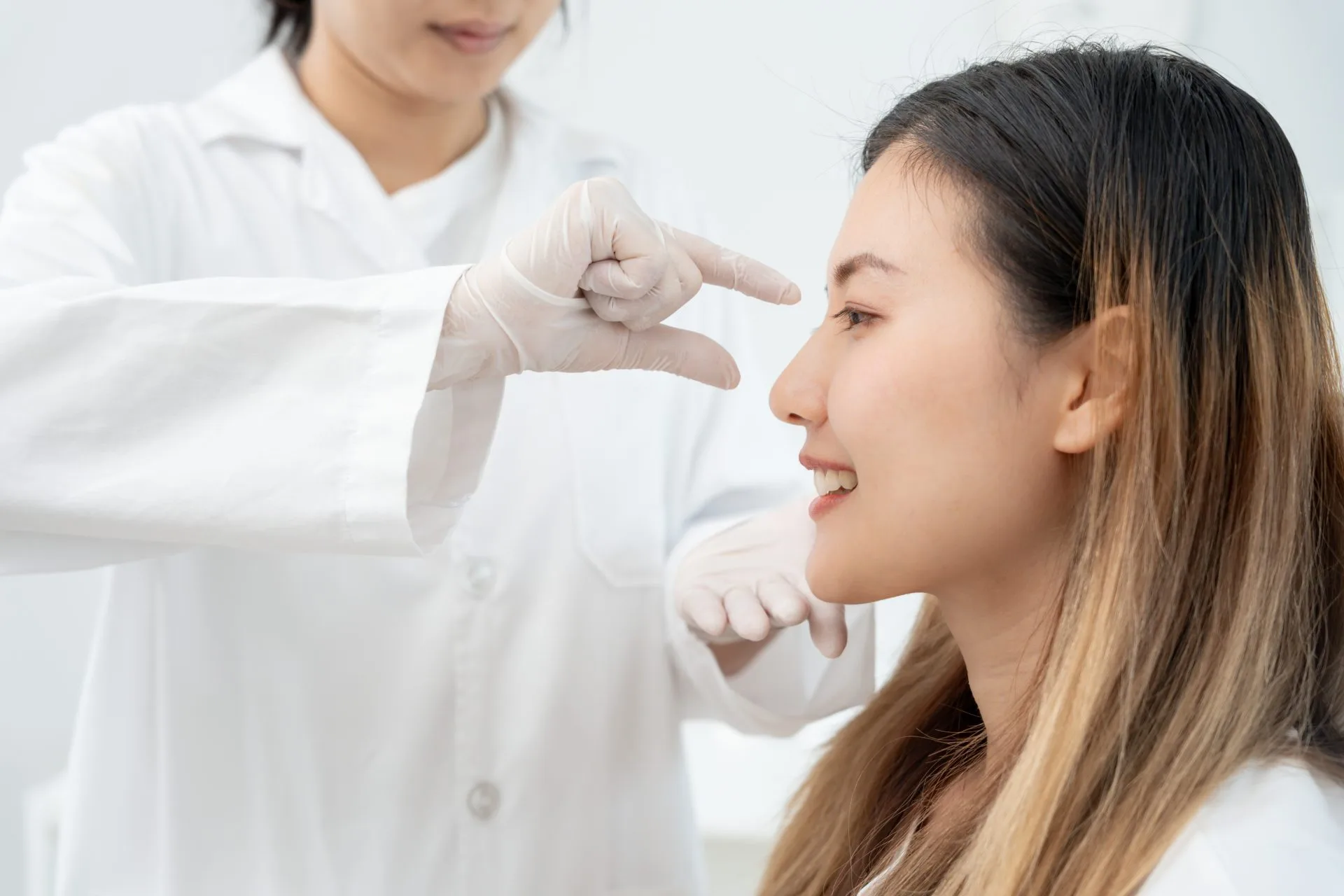
A good candidate for rhinoplasty is a healthy, emotionally mature adult whose facial growth is complete, who is in good general health, a non-smoker (or willing to quit), and has realistic expectations about improving the form or function of their nose. Whether refining the size, shape, or proportions of the nose for aesthetic balance or addressing structural issues, the ideal candidate understands that the goal is improvement, not perfection.
The only sure way to know is through an in-person evaluation with Dr. Colin E. Bailey, who will review your anatomy and personal goals. Below, we break down exactly what makes someone a good fit for this popular facial procedure.
Rhinoplasty, often called a “nose job,” is a cosmetic surgical procedure designed to reshape, resize, or repair the nose. It can alter the bone, cartilage, and skin to change the size, shape, or angle of the nose so it better matches the rest of your face.
People seek rhinoplasty for both aesthetic and functional reasons, including:
A prominent bump on the bridge of the nose (dorsal hump)
A nose that appears too large or too small for the face
A nasal tip that is droopy, upturned, or overly wide
Nostrils that are too wide or flared
A nose that looks crooked or asymmetrical after an injury
Improving breathing when the internal structure blocks airflow
Restoring balance between the nose and other facial features
Whatever your reason, the goal is a result that looks natural and fits your unique face.
Several factors help determine who is a good candidate for rhinoplasty: physical maturity, general health, emotional readiness, and clear aesthetic goals. A thorough evaluation with a cosmetic surgeon like Dr. Bailey is the definitive step.
One of the most important requirements is that your facial bones have finished growing. The nose continues to develop through the teenage years, so operating too early can lead to unpredictable changes and compromise long-term results.
Facial growth is generally complete by the mid-to-late teens – typically around age 16–17 for girls and slightly older for boys. Because of this, adults are generally the strongest candidates. Your surgeon will confirm during your evaluation whether you have reached the right stage and will review your complete medical history to confirm surgery is a safe choice.
Individuals with uncontrolled heart problems, lung disease, or other significant systemic illnesses are generally not suitable for elective surgery. Your surgeon will carefully review any such conditions before recommending the procedure.
For safety, rhinoplasty is not performed on patients who are pregnant or breastfeeding. It is best to wait until several months after you have finished nursing so your body can focus on healing.
Nicotine constricts blood vessels and reduces blood flow to tissues, which can slow healing and affect your results. You must be willing to stop smoking for a period before and after surgery.
Alcohol can interfere with healing and anesthesia and increase swelling. You’ll be instructed to avoid alcohol for a specific time before and after your procedure.
A strong candidate has realistic expectations. Rhinoplasty can create meaningful improvements in your nose’s appearance and your self-confidence, but it cannot create a “perfect” nose or a completely different face. The goal is harmony with the rest of your features.
Recovery takes time and patience, with swelling, bruising, and a period of downtime. Final results emerge gradually over several months – sometimes up to a year – as swelling fully subsides. Candidates who understand this timeline tend to have a more positive experience.
The candidates are emotionally stable and pursue surgery for themselves, not to please someone else. A positive but realistic outlook contributes to a smoother recovery and greater satisfaction with your results.
A successful result looks natural and balanced with your other features. Dr. Bailey evaluates how your nose relates to your eyes, cheeks, chin, and overall face. In some cases, another procedure, such as chin surgery, may be recommended to improve overall harmony.
Whether you want to reduce a prominent bridge, augment a flat one, or refine the tip, rhinoplasty reshapes the underlying structure. The procedure is highly customized to your specific concerns.
Certain chronic health issues, bleeding disorders, or conditions affecting the immune system, heart, or lungs may make elective surgery too risky or require management first. A comprehensive medical evaluation is necessary to clear you for the procedure.
An unwillingness to quit smoking or abstain from alcohol around the time of surgery will likely disqualify you as a candidate.
Teenagers whose facial features are still developing are not suitable candidates. Allowing the nose to fully mature first leads to more stable and lasting results.
The only way to know for sure if you are a good candidate is through a private, in-person consultation.
During your consultation, Dr. Bailey will examine your nose and overall facial structure, review your health history, and discuss your aesthetic goals. This in-person assessment is where your candidacy is officially determined, and you’ll have the chance to view results and ask questions.
Our practice welcomes patients at several Missouri locations, including Springfield, Osage Beach, and Sedalia.
To make the most of your visit, consider asking:
Am I a good candidate based on my anatomy and goals?
Based on my goals, what results can I realistically expect?
What will my recovery timeline look like?
How should I prepare in the weeks before surgery?
How will you approach the procedure to fit my specific anatomy?
Would other procedures, such as a facelift or eyelid surgery, help improve my overall balance?
Bringing your questions helps you feel confident and informed before making a decision.
The ideal rhinoplasty candidate is a healthy, physically mature adult with realistic expectations, a positive outlook, and a willingness to prepare properly for surgery and recovery. Non-smokers, or those willing to quit, who are in good general health tend to have the smoothest experiences. Since every face is unique, the only way to know for certain is through an in-person evaluation.
To find out if you are a good candidate, schedule a consultation with Dr. Bailey and take the first step toward a nose that fits and flatters your face.
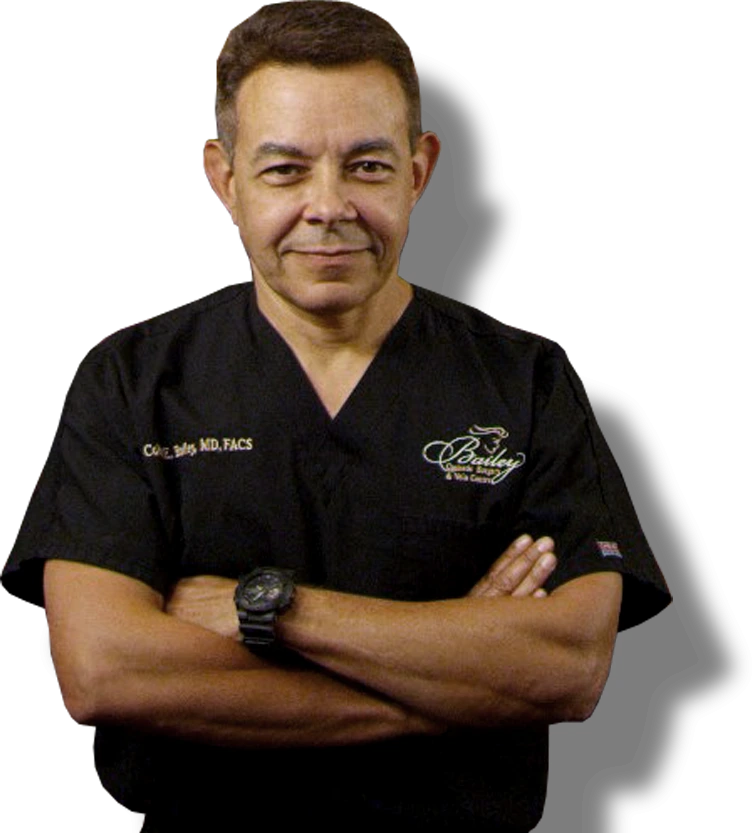
About the Author
Colin E. Bailey, MD, FACS
July 3, 2026