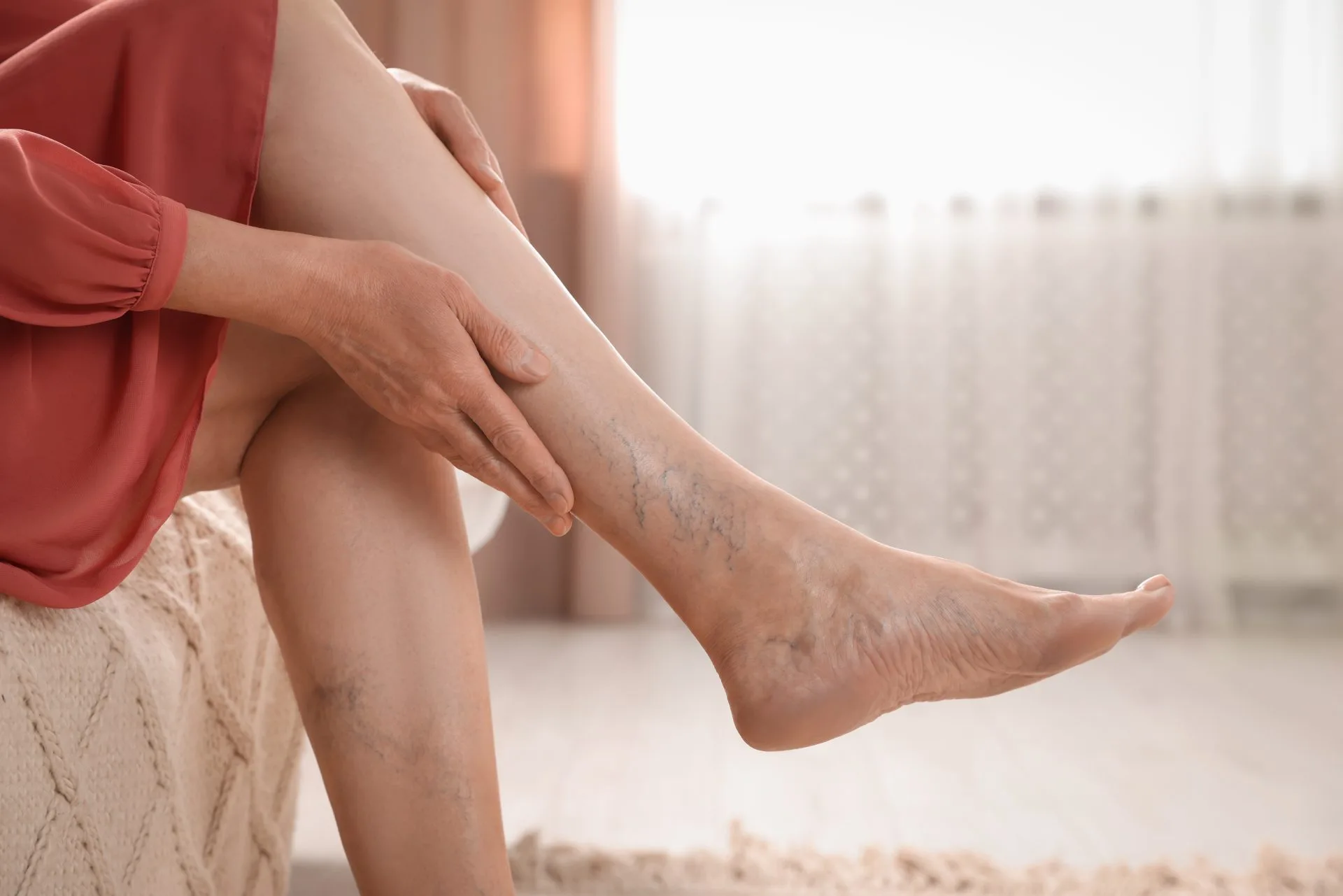
If you’re noticing new varicose veins or your legs feel heavier and more achy by the end of the day, there are ways to slow their progression and ease symptoms. Varicose veins develop when weakened vein valves allow blood to pool in the legs, causing bulging veins and discomfort. Genetics can increase your risk, but daily habits matter too – and simple, consistent changes, along with treatment when needed, can help protect your veins and keep symptoms from getting worse.
Your calf muscles act like a second heart for your legs. Every time you flex them, they squeeze blood upward through your veins. Sit or stand still for hours at a time, and that pump shuts off, letting blood settle in your lower legs.
You don’t need an intense workout routine to make a difference. Try:
A 5-minute walk every hour if you sit at a desk
Ankle circles and calf raises while standing in line or watching TV
Swimming, biking, or walking – low-impact activities that work your calves without straining your joints
Avoiding activities that involve heavy, repeated straining, like maxed-out weightlifting
Even short bursts of movement throughout the day beat one long workout followed by hours of sitting still.
Gravity is working against you all day, so give it a break when you’re resting. Prop your legs up above heart level for 15-20 minutes a few times a day – after work, before bed, or during any downtime.
This simple habit helps drain pooled blood out of your lower legs and can noticeably reduce that end-of-day swelling and heaviness. Keep a pillow by the couch or bed just for this purpose, and it becomes an easy habit rather than one more thing to remember.
Compression stockings apply gentle, graduated pressure to your legs, tighter at the ankle and looser as they go up. That pressure helps push blood back toward your heart and keeps it from pooling in the first place.
Many patients feel skeptical about this one at first – they picture something bulky or uncomfortable. Modern compression stockings, though, come in sheer styles, fun colors, and various compression strengths, and many people forget they’re even wearing them by midday. If you’re on your feet all day for work, traveling, or pregnant, compression stockings are one of the easiest ways to protect your veins.
Carrying extra weight puts additional pressure on the veins in your legs and pelvis, making it harder for blood to flow upward efficiently. You don’t need a dramatic transformation – even modest, sustainable weight loss can ease pressure on your veins and reduce symptoms.
Diet plays a supporting role, too. A few things worth paying attention to:
Cut back on sodium, which contributes to fluid retention and swelling
Add more fiber to your meals – constipation and straining can increase pressure in the abdomen and legs over time
Stay hydrated, since good circulation depends on adequate fluid intake
Include foods rich in flavonoids, like berries, citrus, and leafy greens, which may support vein health
None of this needs to be extreme. Small, steady adjustments to your plate add up.
If your job keeps you on your feet all day – nursing, teaching, retail, food service – or glued to a chair, your veins are working overtime without much help. Staying in one position for hours lets blood pool and puts sustained pressure on the vein walls.
Set a reminder to shift positions every 30 minutes or so. Stand up and stretch if you’ve been sitting; sit down and elevate your feet for a few minutes if you’ve been standing. Small breaks like these give your circulation a chance to reset throughout the day.
Tight waistbands, restrictive shapewear, and skinny pants that cut into your groin or thighs can actually restrict blood flow right where it needs to travel freely back up toward your heart. Over time, that added resistance can make existing vein problems worse.
Opt for looser, breathable clothing when possible, especially if you already have visible veins or a family history of them. This is a small, easy swap that removes one more source of pressure on your circulatory system.
Lifestyle changes genuinely help manage symptoms and slow progression, but they can’t fix the underlying valve damage that causes varicose veins in the first place. If your veins are getting more prominent, more painful, or starting to affect your skin, it’s worth getting a proper evaluation rather than waiting to see what happens.
At Bailey Cosmetic Surgery & Vein Centre, we specialize in diagnosing and treating varicose veins and the venous insufficiency that causes them. Modern treatment isn’t the daunting surgery you might picture. Options like sclerotherapy and endovenous laser ablation are minimally invasive, performed right in our office under local anesthesia, and come with little to no downtime. Most insurance plans cover treatment for venous insufficiency, since it’s a medical condition and not just a cosmetic concern.
Varicose veins can feel discouraging, especially if you’ve already tried compression socks and leg elevation and you’re still noticing changes. That doesn’t mean you’ve done something wrong – it usually just means it’s time for a professional evaluation. Dr. Colin Bailey, a board-certified surgeon with fellowship training in cosmetic surgery and years of experience in vascular care, and his team have helped countless patients across Springfield, Osage Beach, and Sedalia get relief from vein symptoms with treatments that are quick, comfortable, and effective.
If your legs have been feeling heavier than they used to, or you’re simply ready for a plan instead of just watching and waiting, schedule a consultation with our vein center team. We’ll walk you through exactly what’s going on with your veins and lay out your options – no pressure, no judgment, just clear answers and a path forward.
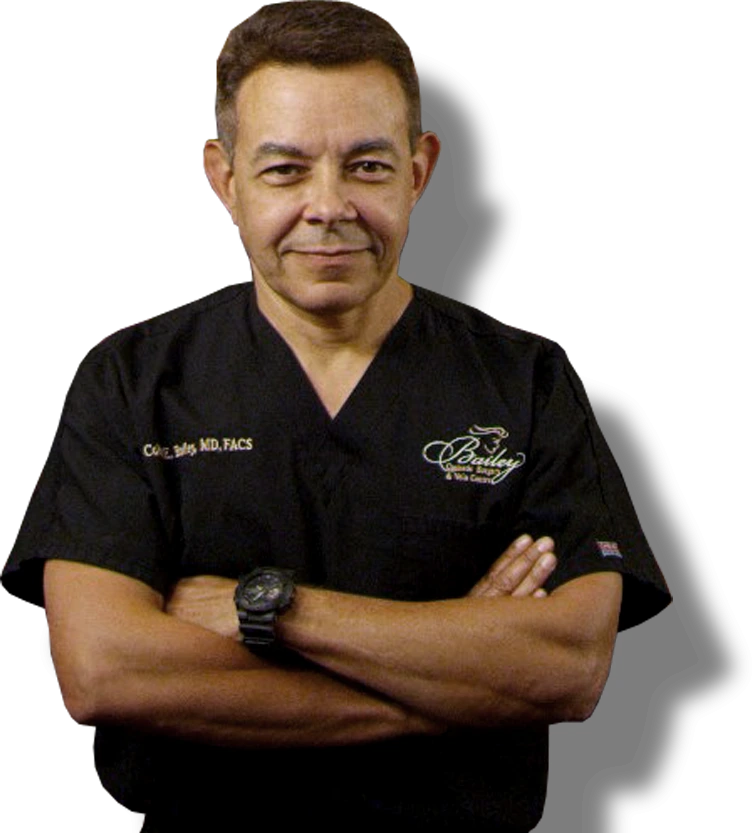
About the Author
Colin E. Bailey, MD, FACS
September 8, 2026