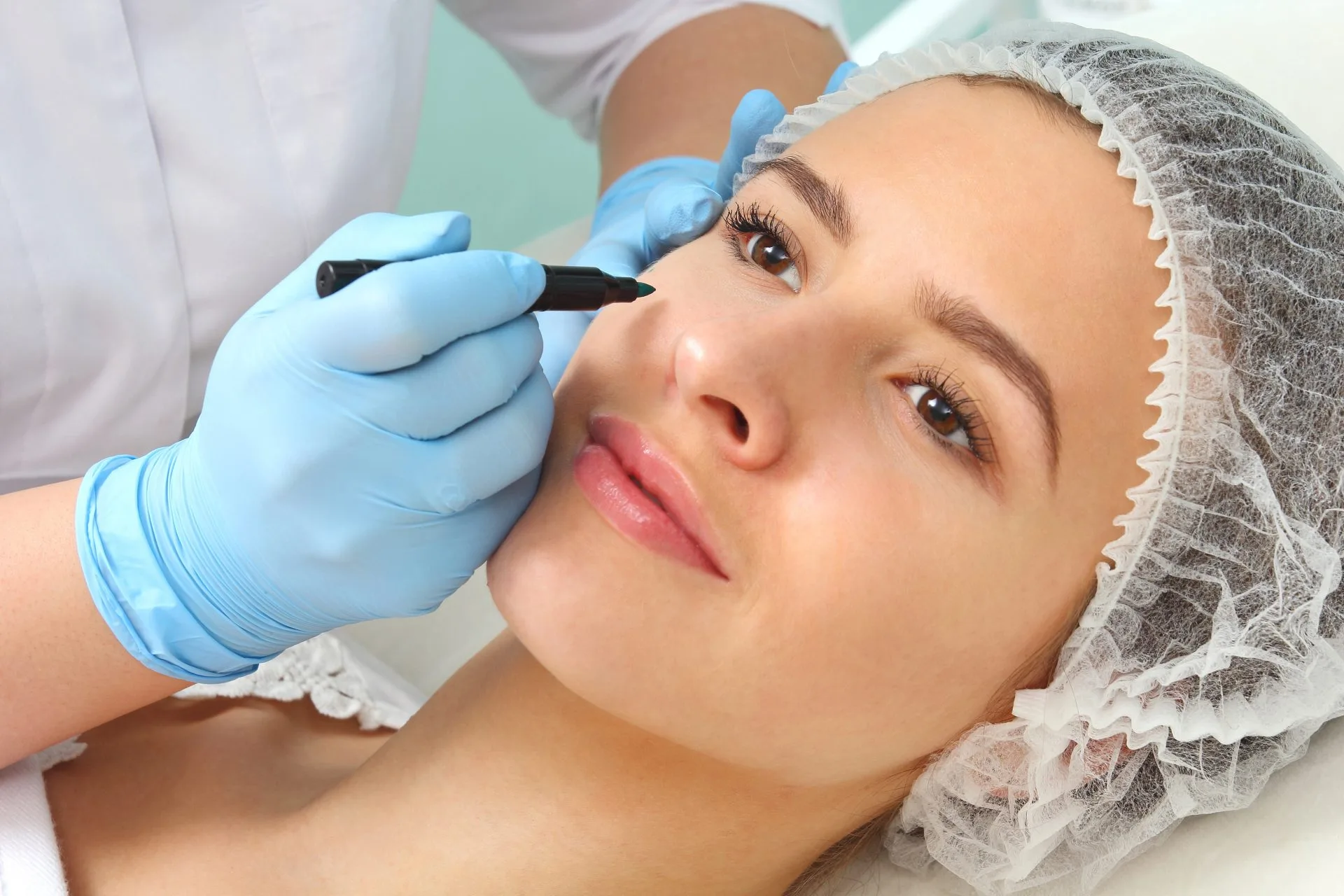
Cosmetic surgery has come a long way, and not just in terms of results. More and more people are walking into a clinic, having a procedure done, and walking back out the same day, fully awake and alert the entire time.
Awake cosmetic surgery means having a cosmetic procedure performed under local anesthesia instead of general anesthesia. You’re comfortable, you’re aware of your surroundings, and you skip the risks, recovery time, and groggy aftermath that come with being put fully under. For patients who want real results without the weight of a full surgical experience, it’s changing the way cosmetic care is done.
General anesthesia has its place, but it also comes with real concerns that patients don’t always feel comfortable voicing out loud. The nausea afterward. The disorientation. The strict fasting rules. The need for someone to drive you home and stay with you overnight. The small but real risks that come with putting your body into a medically induced unconsciousness.
These aren’t imagined fears. There are legitimate reasons why people put off procedures they actually want – sometimes for years.
Awake surgery addresses all of this directly. By using local anesthesia (numbing medication applied to the specific area being treated), your surgeon can perform many procedures safely and effectively while you remain relaxed and responsive. You don’t need an anesthesiologist. You don’t need an OR at a hospital. And you don’t need to spend days recovering from the anesthesia itself before you even begin recovering from the procedure.
This is usually the first question patients ask, and the list is broader than most people expect. Awake techniques are well-suited to a wide range of cosmetic and vein procedures, including:
Liposuction (using the tumescent technique, which is actually the gold standard for body contouring)
Blepharoplasty (eyelid surgery)
Facelift and mini facelift
Ear surgery (otoplasty)
Vein treatments, including sclerotherapy and endovenous ablation
Skin lesion removal
Local skin and soft tissue procedures
Tumescent liposuction, in particular, was actually designed to be performed awake. The technique involves injecting a solution of saline, local anesthetic, and epinephrine directly into the fatty tissue before removal. This minimizes bleeding, provides long-lasting numbness, and reduces recovery time significantly – all without general anesthesia.
The key factor isn’t just the procedure type, but the patient. Your surgeon will review your health history, the area being treated, and the complexity of what you’re looking to achieve before recommending whether an awake approach is right for you.
People often picture being awake during surgery as stressful – needles, sounds, awareness of everything happening. The reality is quite different.
Most patients describe the experience as surprisingly calm. You may feel pressure or movement in the treatment area, but not pain. The local anesthetic does its job well. Many clinics also offer mild oral sedation (a relaxing medication you take before the procedure) to ease any anxiety, so you’re comfortable without being unconscious.
You can listen to music. You can talk to your surgical team. Some patients even doze lightly. When it’s over, you sit up, get dressed, and within a short time, you’re ready to head home – often with a friend or family member, but without the need for an extended recovery room stay or overnight monitoring.
Choosing awake cosmetic surgery isn’t just about avoiding anesthesia – it offers a genuinely better experience in several concrete ways:
General anesthesia carries risks including cardiovascular stress, respiratory complications, and adverse reactions. Eliminating it removes a significant layer of risk, particularly for patients with certain health conditions.
Without the anesthesia hangover, your body recovers from the procedure itself rather than from two separate events. Most patients return to light activity within a day or two.
Procedures performed in an accredited clinic under local anesthesia are typically less expensive than hospital-based surgeries that require an anesthesiologist and OR time.
For procedures like facelifts, being awake allows your surgeon to assess natural facial movement and expressions during the procedure, which is a meaningful advantage when aiming for results that look balanced and real.
Counterintuitively, some patients find being awake less stressful than the anticipation of going under. They feel more in control, and that matters.
Absolutely – when performed by a qualified surgeon in an accredited facility. Awake cosmetic surgery isn’t a workaround or a shortcut. It’s an established, evidence-supported approach used by skilled surgeons around the world.
That said, safety depends heavily on proper patient selection, a sterile environment, and surgical expertise. Not every procedure is suitable for every patient under local anesthesia alone. A thorough consultation is essential, and a reputable surgeon will be upfront about whether an awake approach is appropriate for your specific goals and health history.
At Bailey Cosmetic Surgery & Vein Centre, consultations are the foundation of every plan. There’s no one-size-fits-all approach – just honest, individualized care.
Most healthy adults seeking cosmetic procedures are candidates for awake surgery, but a few factors make someone a particularly strong fit:
You have mild to moderate anxiety about general anesthesia
You have underlying health conditions (like heart or lung issues) that make general anesthesia higher risk
You want a shorter, more manageable recovery
You’re having a localized procedure that doesn’t require deep sedation
You prefer to be alert and aware during your care
On the other hand, highly complex or lengthy procedures, surgeries involving multiple body areas simultaneously, or patients with significant anxiety that can’t be managed with mild sedation may still benefit from general anesthesia. Your surgeon will guide that conversation with transparency and care.
Awake cosmetic surgery isn’t a trend – it’s a meaningful shift in how cosmetic care can be delivered. It puts patients in a more active role in their own care, reduces unnecessary risk, and in many cases, produces results just as beautiful (and often more natural) than traditional surgical approaches.
If you’ve been holding back on a procedure because the idea of going under gave you pause, it’s worth having a real conversation about what awake surgery could look like for you. The experience might be very different from what you’re imagining – and the results don’t have to be.
Bailey Cosmetic Surgery & Vein Centre offers a range of awake cosmetic and vein procedures in a warm, professional environment. To learn more or schedule a consultation, reach out to our team today.
About the Author
Colin E. Bailey, MD, FACS
April 28, 2026