
After sclerotherapy, avoid excessive heat (hot tubs, saunas), strong sun, strenuous exercise, heavy lifting, long periods of standing, and blood-thinning medicines, such as aspirin or ibuprofen, unless your provider says otherwise. These precautions help treated veins close so blood can move into healthier, deeper veins. Follow this guide to keep your recovery on track and support the best possible outcome.
Sclerotherapy is a minimally invasive, in-office vein treatment that closes unwanted surface veins. It is commonly used to reduce the appearance of spider veins and small varicose veins on the legs. During treatment, a solution is injected into the targeted vein, causing it to collapse and gradually fade from view.
Heat causes blood vessels to expand (vasodilate). Extra blood flow can work against closure, reopen treated veins, increase swelling, and make treated areas feel more tender.
Skip all sources of intense heat for at least 48 to 72 hours, or for the recovery window you were given. Sitting still in the heat is especially unhelpful. Keep indoor temperatures comfortable and postpone spa plans until you are cleared
Avoid hot baths or soaking in a tub for the first few days. Prolonged immersion in hot water has the same negative effect as a hot tub.
Choose lukewarm showers; keep water comfortably warm, not steaming
Allow water to run over the legs, but do not scrub the injection sites
If the treated skin feels irritated, limit the time under the spray on those areas
Gently pat dry with a clean towel; do not rub treated areas hard
Treated skin is more sensitive and more reactive to light. UV exposure can darken marks along veins that are still fading and make color changes last longer. A sunburn can be painful, increase inflammation, damage healing skin, and prolong recovery.
Even a short stretch outdoors at midday can be enough if the skin is uncovered
Indoor tanning should wait as well
If you already have bruising or brown lines, sun exposure can make those marks linger
Direct sun on treated areas can cause hyperpigmentation – dark spots or discoloration that can be hard to reverse. Avoid direct sun exposure for at least two to four weeks.
Plan outdoor time for mornings or evenings when the sun is lower, and seek shade
Keep treated skin covered with clothing
After the initial healing period, and once your provider says lotion is fine, apply a broad-spectrum sunscreen with an SPF of 30 or higher and reapply if you sweat
Light activity, such as walking, is encouraged to promote circulation. High-impact and strenuous exercise should be avoided for the period recommended by Dr. Colin E. Bailey, which is typically several days to a week.
High-impact activity and heavy lifting raise pressure in the venous system of the legs. That spike can force treated veins to reopen and can increase bruising or swelling.
Avoid running or jogging, jumping, and high-impact aerobics
Avoid squats and lunges with heavy weights, heavy lifting, and cycling with high resistance or intense cycling
If your job or hobbies include lifting, ask what weight limit to use and for how many days
Ease back into workouts; do not test your limit on day one
Prolonged sitting or standing still can cause blood to pool in the legs, increasing pressure and discomfort. Long flights and long car rides present a similar issue.
If your job keeps you on your feet or at a desk, move around every 30–60 minutes
Shift your weight, walk in place, and take short sitting or walking breaks
Flex your ankles, stand when it is safe, and wear any compression you were asked to use
When sitting, elevate your legs when possible
Everyday medicines that thin the blood, change how easily you bruise, or affect inflammation can interfere with healing and with the process that closes the vein.
Avoid NSAIDs, such as aspirin, ibuprofen (Advil, Motrin), and naproxen (Aleve), for at least 48–72 hours before and after your procedure, unless your provider tells you otherwise. These medicines can increase bleeding and bruising, interfering with the inflammatory process needed for the sclerosant to close the vein. Acetaminophen (Tylenol) is usually a safer option for mild pain, but always confirm with our team before taking any medication
Avoiding certain things is only half of recovery. A few extra habits support calm, even healing of treated veins.
Follow compression instructions if stockings or wraps were recommended, and wear them for the hours and days you were told – not only when it is convenient.
Avoid lotions, creams, or oils on injection sites for the first 24–48 hours unless instructed
Refrain from shaving your legs for a few days to avoid irritating the injection entry points
Do not pick at small scabs or scratch itchy spots
Mild discomfort, tightness, itching, bruising, and color change are expected. Watch for a clear change from that baseline.
Growing redness, rapidly increasing swelling, spreading warmth, or pain that keeps getting worse should prompt a call
Write down questions as they come up and bring them to follow-up
Bailey Cosmetic Surgery & Vein Centre schedules sclerotherapy follow-up visits so healing can be checked in person
Call our office in Springfield, Osage Beach, Rolla, or Sedalia if instructions are unclear, stockings cause a problem, you are unsure whether a medicine is allowed, or symptoms feel out of line with what you were told. Common warning signs:
Sudden, severe swelling in one leg
Small ulcers or sores at an injection site
Severe, persistent pain that is not relieved by elevation
Signs of an allergic reaction, such as a widespread rash or difficulty breathing
Dr. Bailey and our team are here to support you throughout your recovery. Never hesitate to reach out with questions or concerns.
Following your provider’s aftercare instructions can help the treated veins close properly and support a smooth recovery. Avoid excessive heat, direct sun exposure, strenuous exercise, prolonged standing, and certain medications unless your provider advises otherwise. Protect the treated areas, stay gently active with walking, and monitor for any unusual symptoms. If you have concerns during recovery, contact your provider for personalized guidance.
About the Author
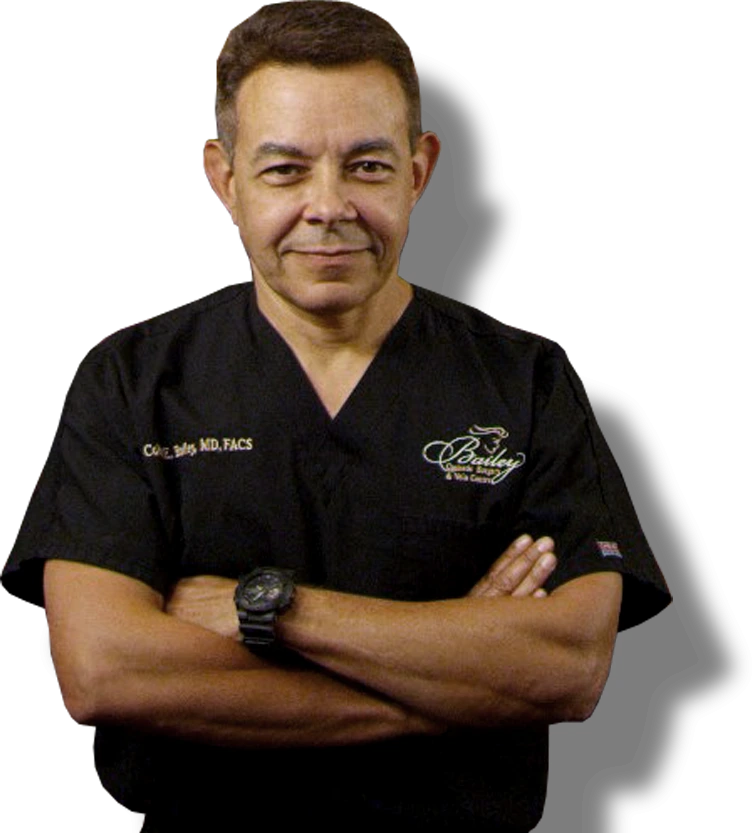
Colin E. Bailey, MD, FACS
September 8, 2026