
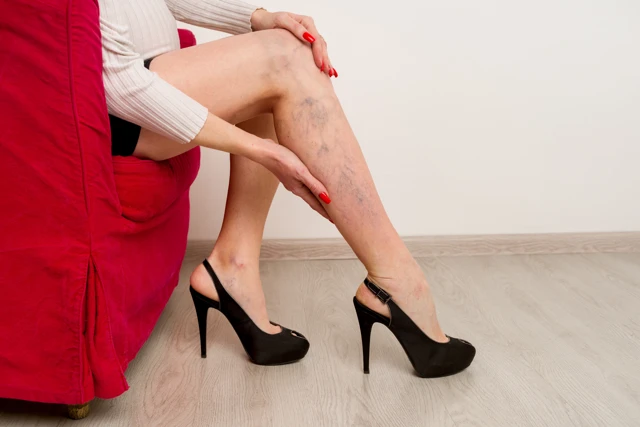
If you’ve noticed those twisted veins on your legs and wondered whether ignoring them is a safe option, you’re not alone. Many people live with varicose veins for years without doing much about them. But here’s what you need to know: varicose veins can and often do get worse over time without some form of treatment or lifestyle management. The good news? You have real options, and catching things early puts you in a strong position to protect your health and feel much better in your daily life.
Understanding Varicose Veins
Varicose veins happen when the small valves inside your veins stop working properly. Normally, these valves push blood upward toward your heart. When they weaken or become damaged, blood starts to pool in the vein. Over time, that pooling stretches the vein wall, causing the characteristic bulging and twisting you can see just under the skin. Left unaddressed, that process doesn’t stay put – it tends to progress.
Complications of Varicose Veins
Most people think of varicose veins as a cosmetic issue. And while the appearance can certainly be bothersome, the real concern is what can happen beneath the surface when the condition goes unmanaged.
Over time, varicose veins can lead to:
- Persistent aching, heaviness, or cramping in the legs
- Skin changes near the ankle, including darkening or thickening
- Itching or a burning sensation along the affected vein
- Swelling in the lower legs and feet, especially after long days on your feet
- Open sores (venous ulcers) that are slow to heal, which is one of the more serious outcomes
These aren’t inevitable for everyone, but they become significantly more likely the longer the underlying vein problem goes unaddressed.
Blood Clots
One complication that deserves special attention is the development of blood clots. When blood pools and circulation slows, clotting becomes more likely. Superficial thrombophlebitis – a clot in a vein just under the skin – can cause redness, warmth, and tenderness along the vein. While often manageable, it’s uncomfortable and a clear signal that your venous health needs attention.
Deep Vein Thrombosis (DVT)
A more serious concern is deep vein thrombosis (DVT) – a clot that forms in a deeper vein, usually in the leg. This is a medical condition that requires prompt attention. If a clot from DVT travels to the lungs, it can cause a pulmonary embolism, which is a potentially life-threatening event. People with advanced or untreated varicose veins have a higher risk of developing DVT than those who manage their vein health proactively. If you ever experience sudden leg swelling, redness, warmth, or pain, contact a medical professional right away.
Chronic Venous Insufficiency
When varicose veins are left to progress over a long period, the result can be chronic venous insufficiency – a condition where the veins can no longer return blood to the heart efficiently on a sustained basis. This leads to ongoing swelling, skin discoloration, and, in some cases, venous ulcers, which are notoriously difficult to treat. Chronic venous insufficiency isn’t a minor inconvenience. It can meaningfully affect your quality of life and your ability to stay active and on your feet.
Risk Factors That Can Speed Things Up
Not everyone with varicose veins will progress to serious complications, but certain factors make it more likely that things will get worse if left unmanaged. Knowing them gives you the power to act.
The Impact of Sitting or Standing Too Long
Your daily habits matter more than most people realize. Routines that involve sitting or standing for long stretches without movement put extra pressure on the veins in your legs. Gravity works against proper circulation when you stay in one position for hours at a time. If your day involves long hours at a desk or standing on hard floors, this is one of the most important patterns to interrupt. Even brief, regular movement makes a real difference.
Body Weight and Vein Pressure
Carrying extra weight increases the pressure placed on your leg veins. The more body weight pressing down, the harder those veins have to work, and the faster valve damage tends to progress. Even modest weight changes can have a meaningful effect on how your veins feel and function from one day to the next.
Blood Pressure and Your Veins
High blood pressure puts added strain on the entire circulatory system, including the veins in your legs. Elevated blood pressure can accelerate the deterioration of the vein walls and valves over time. Managing your cardiovascular health isn’t just good for your heart – it’s directly tied to your vascular health too.
Other contributing risk factors include a family history of varicose veins, pregnancy (which increases blood volume and pressure on pelvic veins), advancing age as vein walls lose elasticity, and a prior history of blood clots.
How to Prevent Varicose Veins From Getting Worse
You may already have them, but that doesn’t mean you’re powerless. There’s quite a bit you can do starting right now to slow progression and feel significantly better.
1. Compression Stockings: A Simple and Effective First Step
Compression stockings are among the most accessible and well-studied tools for managing varicose veins. They work by applying graduated pressure to your legs, which helps push blood upward and reduces pooling in the veins. Worn consistently, they can relieve aching and leg heaviness, reduce end-of-day swelling, and meaningfully slow the progression of the condition. They come in different compression strengths, so it’s worth asking a professional which level suits your needs.
2. Maintaining a Healthy Weight
Working toward and sustaining a healthy weight – through balanced nutrition and regular movement – is one of the most effective long-term strategies you have. Even a 5–10% reduction in body weight can noticeably reduce leg symptoms and take meaningful pressure off your vein walls over time.
A few more daily habits that support better vein health:
- Take short walks or move your legs every hour if you’re seated most of the day
- Elevate your legs above heart level for 15–20 minutes in the evening
- Stay well hydrated to support healthy blood circulation
- Avoid crossing your legs when seated for extended periods
3. Talk to Your Healthcare Provider
Self-care goes a long way, but it isn’t a substitute for a professional evaluation, especially if your symptoms are worsening, you’re noticing skin changes, or you’re dealing with persistent pain or swelling. A healthcare provider can assess the severity of your venous condition, often with a simple ultrasound, and recommend a treatment plan that’s tailored to you.
Modern vein treatments have come a long way. Many are performed right in the office, require little to no recovery time, and have excellent outcomes. The earlier that conversation happens, the more options you’ll have.
Schedule Your Varicose Vein Treatment Today!
If you’ve been living with varicose vein symptoms – that familiar aching, swelling, or the sight of bulging veins just beneath the skin’s surface – you don’t have to keep waiting to feel better. Avoiding care over a long period only allows venous pressure to build and the condition to advance. The truth is, varicose veins diagnosed early are easier to treat, which means the best time to take action is now, not later.
Our team is ready to help you treat varicose veins with modern, minimally invasive approaches designed to relax vein walls, restore healthy circulation, and relieve symptoms so you can get back to living comfortably.
Booking a consultation is simple, and it’s the one step that puts everything else in motion. Call us today or request an appointment online – your legs will thank you.
The Bottom Line
Understanding why varicose veins develop starts with those tiny valves that pump blood upward through your blood vessels. When veins weaken – whether due to poor circulation, increasing abdominal pressure during pregnancy, or hormonal shifts triggered by birth control pills – the whole system begins to strain. That’s often when spider veins appear first, followed by purple veins that signal deeper changes beneath the skin. Recognizing when symptoms of varicose veins occur gives you the earliest and best opportunity to act.
Without attention, existing varicose veins can quietly progress. Enlarged veins place more demand on surrounding tissue, and leg pain often becomes a daily companion. Painful veins deep within the leg are a sign that severe varicose veins may be developing. And with them, a rising risk of developing blood clots that can increase pressure throughout the venous system. Simply choosing to wear compression stockings consistently is one of the most practical steps you can take to slow that progression and protect your circulation.
The encouraging reality is that today’s varicose vein treatment options are more effective and accessible than ever. Whether you’re a candidate for a minimally invasive procedure or require medical treatment such as vascular surgery, there is a path forward. Skilled providers can remove varicose veins that are causing discomfort and work to stop varicose veins from worsening further – all while helping to improve blood flow and restore your confidence in your legs. You deserve to feel well. Reaching out for a consultation is the step that makes everything else possible.