
Are Aching, Heavy Legs a Sign of Vein Disease?

Are Aching, Heavy Legs a Sign of Vein Disease? Yes. Aching, heavy legs are among the most common early signs of vein disease, especially when the feeling gets worse after long periods of standing or sitting and eases when you put your feet up. Not every tired leg points to a vein problem, but this […]
Non-Surgical Fat Reduction vs. Liposuction: Key Differences

Non-Surgical Fat Reduction vs. Liposuction: Key Differences Liposuction removes fat surgically and delivers larger, more defined results in a single procedure. Non-surgical fat reduction uses cold, heat or sound energy to shrink small pockets of fat over several sessions with little to no downtime. The right choice depends on how much fat you want to […]
How to Prevent Varicose Veins From Getting Worse: 7 Tips

How to Prevent Varicose Veins From Getting Worse: 7 Tips If you’re noticing new varicose veins or your legs feel heavier and more achy by the end of the day, there are ways to slow their progression and ease symptoms. Varicose veins develop when weakened vein valves allow blood to pool in the legs, causing […]
What to Avoid After Sclerotherapy: Essential Tips

What to Avoid After Sclerotherapy: Essential Tips After sclerotherapy, avoid excessive heat (hot tubs, saunas), strong sun, strenuous exercise, heavy lifting, long periods of standing, and blood-thinning medicines, such as aspirin or ibuprofen, unless your provider says otherwise. These precautions help treated veins close so blood can move into healthier, deeper veins. Follow this guide […]
What Are the Facial Vein Treatment Options?

What Are the Facial Vein Treatment Options? The most effective facial vein treatments are laser therapy, intense pulsed light (IPL), and sclerotherapy. These treatments, available at our vein centers in Missouri, target and reduce the appearance of unwanted spider veins and other visible vessels, restoring a clearer complexion with minimal to no downtime. The right […]
How Long After Vein Ablation to See Results

How Long After Vein Ablation to See Results Most people begin to experience relief from symptoms – leg aching, heaviness, and fatigue – within the first week after vein ablation. Visible improvements take longer, typically appearing over the following weeks to months as your body gradually absorbs the treated vein. Recovery timelines vary from person […]
What Is an Arm Lift Recovery Like?

What Is an Arm Lift Recovery Like? An arm lift recovery is a gradual, multi-stage process that typically involves 1-2 weeks of initial downtime before you resume light activities, with a full return to strenuous exercise and heavy lifting taking about 6-8 weeks. The experience involves managing swelling and discomfort, wearing compression garments, and carefully […]
Who Is a Good Candidate for Rhinoplasty?

Who Is a Good Candidate for Rhinoplasty? A good candidate for rhinoplasty is a healthy, emotionally mature adult whose facial growth is complete, who is in good general health, a non-smoker (or willing to quit), and has realistic expectations about improving the form or function of their nose. Whether refining the size, shape, or proportions […]
Labiaplasty Recovery Timeline: What to Expect Week by Week
Labiaplasty Recovery Timeline: What to Expect Week by Week Most patients recover fully from labiaplasty within 6-8 weeks, though you’ll likely feel comfortable returning to many daily activities within 2-3 weeks. Understanding the complete labiaplasty recovery timeline helps you plan ahead, set realistic expectations, and take the right steps to heal smoothly. This article walks […]
What Causes a Buffalo Hump?
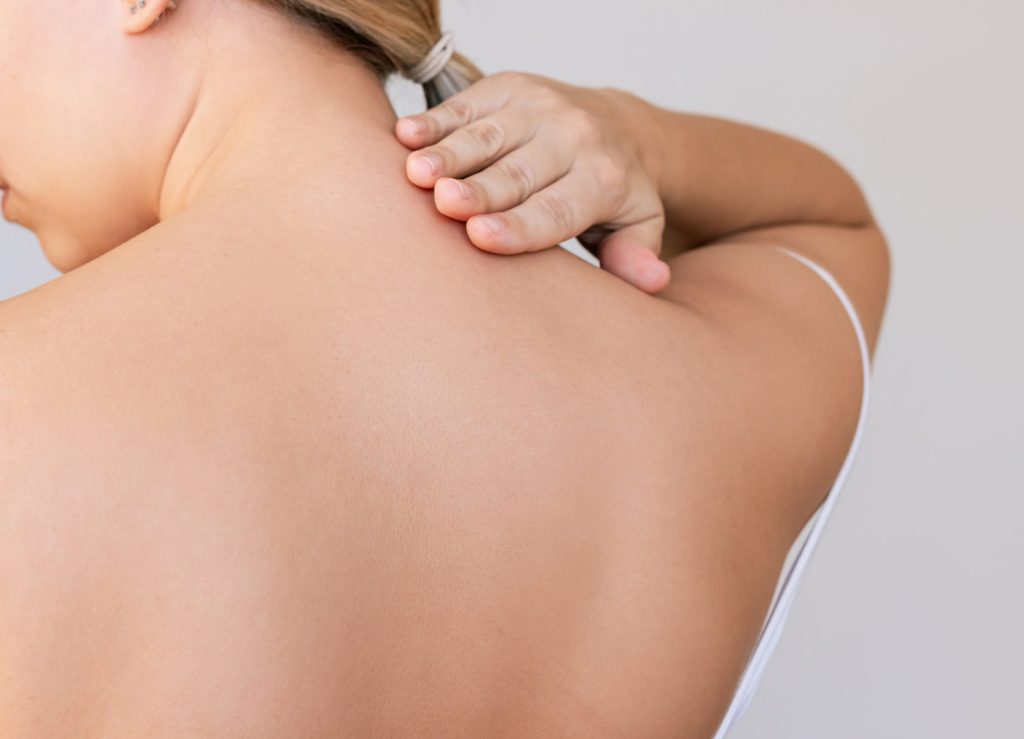
What Causes a Buffalo Hump? A buffalo hump is caused by an abnormal accumulation of fat at the upper back, right between the shoulder blades and the base of the neck. Several factors can trigger this buildup, including hormonal imbalances, certain medications (especially long-term corticosteroid use), obesity, and underlying medical conditions like Cushing’s syndrome. Understanding […]