
Do Varicose Veins Get Worse Without Treatment?

If you’ve noticed those twisted veins on your legs and wondered whether ignoring them is a safe option, you’re not alone. Many people live with varicose veins for years without doing much about them. But here’s what you need to know: varicose veins can and often do get worse over time without some form of treatment or lifestyle management. The good news? You have real options, and catching things early puts you in a strong position to protect your health and feel much better in your daily life.
How To Get Rid Of Facial Veins And What Treatments Actually Work

Those thin red, purple, or blue lines that show up on your cheeks, nose, or chin can feel stubborn and nearly impossible to hide,l especially when they seem to appear out of nowhere. If you’re wondering how to get rid of facial veins, you’ll be relieved to know that today’s treatments are highly effective, minimally invasive, and typically require little to no downtime. Laser therapy is the gold-standard approach for most people, with intense pulsed light (IPL) and sclerotherapy being proven options. A qualified vein specialist or board-certified dermatologist can help you determine which path is right for your skin type and the specific look of your veins.
Non-Surgical Fat Reduction vs Liposuction: Which Option Is Right for You?
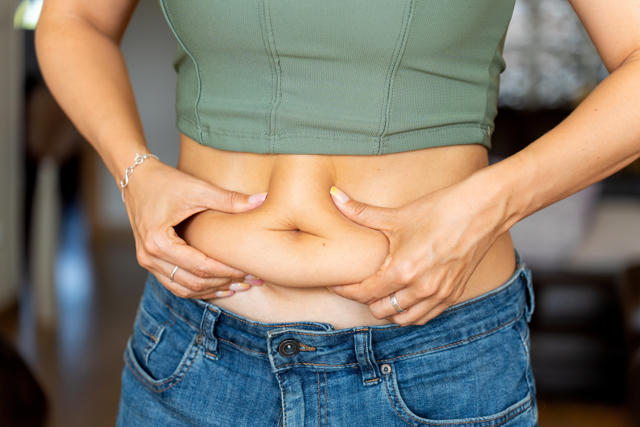
Choosing between non-surgical fat reduction and liposuction ultimately comes down to three things: how much fat you want to lose, how much downtime you can handle, and how quickly you want to see results. If you’re dealing with small pockets of fat that resist diet and exercise, a non-surgical treatment is likely your best starting point. But if you’re looking to reshape larger areas of your body with dramatic results from a single session, liposuction is probably the more practical – and efficient – choice. Neither option is right for everyone, and understanding how they actually work is the key to making a decision you’ll be happy with.
When Will You See Results in the Varicose Vein Treatment Timeline?

Varicose veins are more than a cosmetic nuisance – for many people, they cause aching, heaviness, and swelling that gets worse over the course of a day. If you’ve been wondering how long the whole treatment process actually takes, most patients go from their first consultation to feeling fully recovered in about four to six weeks, depending on the procedure chosen. The journey involves an initial evaluation, a tailored treatment plan, a short in-office procedure, and a manageable recovery period that most people navigate without missing much work.
What Are the Early Signs of Vein Disease You Should Notice?

Your veins play a crucial role in circulating blood back to your heart, but when they begin to fail, the warning signs can be subtle and easy to dismiss. Many people ignore swollen ankles, aching legs, or visible spider veins as normal signs of aging or the result of standing too long. However, these symptoms can indicate the beginning stages of vein disease that, left untreated, may progress into serious medical conditions affecting your mobility, comfort, and overall health.
What Are the Causes of Varicose Veins and How to Prevent Them?

Varicose veins are a common condition that affects many Americans, causing twisted, enlarged veins that are visible just beneath the skin’s surface. While they can appear anywhere on the body, they most commonly develop in the legs and feet. Understanding the primary causes – including genetics, prolonged standing or sitting, pregnancy, age, and obesity – […]
What To Expect After Sclerotherapy? Recovery Tips & Timeline

If you’ve recently undergone sclerotherapy or are considering this treatment for your vein concerns, understanding what comes next is essential for optimal results. After sclerotherapy, most patients can resume normal activities immediately, though you’ll need to follow specific care instructions for the best outcome. The recovery process typically involves wearing compression garments for 1-3 weeks, […]